It has been interesting to look back on some of the creative work that we have delivered for clients over the last 40 years. Many fun projects spring to mind as if they happened last week and it’s given us a good opportunity to take stock. What has changed, how have we moved forward, what is fundamentally unchanged
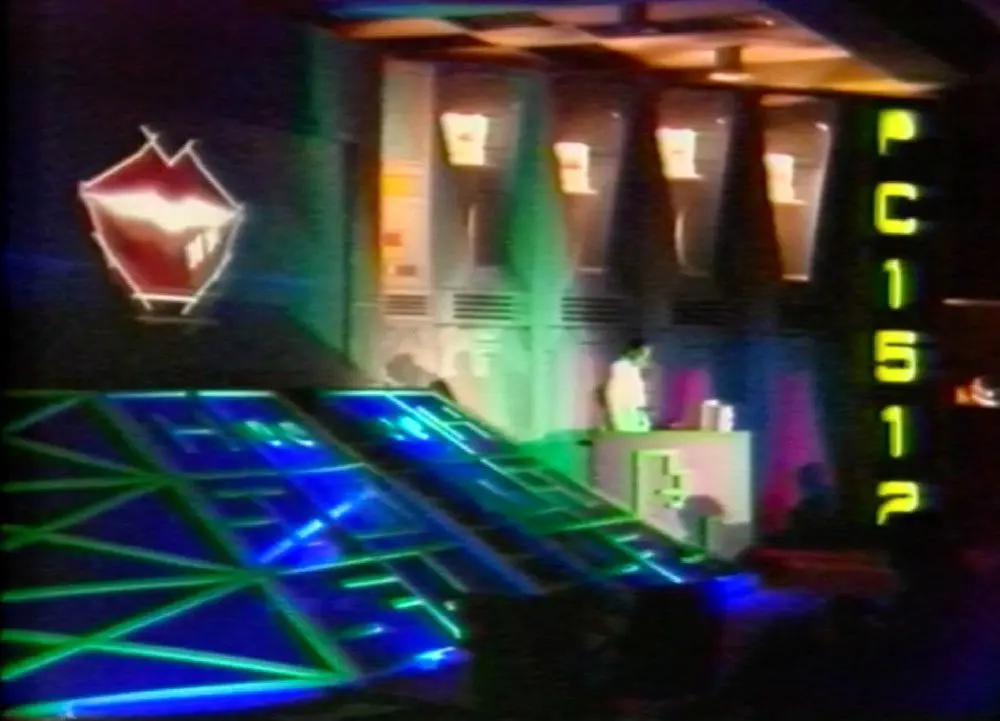
Technologies have unsurprisingly been one of the biggest drivers of change and progression. It’s amusing to reflect back to our starting point – multimedia production that at times involved synchronisation of up to fifty carousel projectors to a narrative that mainly delivered B2B messages. In its day, this was a highly engaging medium, using 35mm film and immaculately crafted sound tracks. Video walls followed, nearly as harrowingly unreliable since the computer technology involved was so cutting edge and niche.
In some areas such as film, stills, and audio there is currently a nostalgic trend towards retro. But, in my mind, what we now do with huge scale LED screens, walls and environments takes the possibilities into another realm, which is literally only limited by the imagination, and this is truly exciting to be part of.
The virtual worlds offered by Augmented and Virtual Reality technologies open additional dimensions to have creative fun, and creating stereoscopic UHD visualisations of partly designed infrastructure for one of the world’s largest property developers was a huge privilege. I have always derived the greatest satisfaction from projects which push the envelope a little further, creating content and telling stories in a way that is beyond expectations. Why would creatives be doing what we do if we didn’t all find it supremely satisfying to complete a project or campaign that we can be truly proud of?
On the topic of change, the second major development within WMP has been the diversification of both service offerings and geographical spread.
It might, for some, be difficult to imagine that video was initially very primitive, so we moved into movie making in the early 80s as soon as the technologies became usable. How liberating it was to be able to use presenters, actors and fluid camera moves in those early days. Now we take it for granted that 6K drones can give access to amazing shots, and multi-camera shoots can be streamed around the world with ease, without the need for specialist satellite receiving kit. More than once in the past, clients needed to specially move satellites to enable remote transmissions.