How visual storytelling is shaping modern brand experiences

When WMP Creative first started out in 1984, our focus was on multi-media production. At that time (and for many decades), film has been central to marketing. But nowadays, the role video plays in brand communication is rapidly evolving.

Where film was once primarily used for advertising campaigns or product launches, it’s now becoming the backbone of immersive brand experiences. From exhibitions and retail environments to digital platforms and live events, moving image is increasingly the medium through which brands create emotional connection.

The shift is significant. Brands are no longer just telling stories through film, they are designing experiences around it.

From campaign content to experience design

Traditionally, brand films lived within clearly defined formats: TV advertising, social media content, product videos, campaign films. These pieces were typically designed to broadcast a message.

Today, audiences expect something different. Instead of passive viewing, they want to step into stories, explore them, and interact with them across multiple platforms.

This is where video begins to move beyond marketing content and into the realm of experience design. According to Adobe’s recent State of Creativity Report, there has been a boom in interactive, multi-sensory experiences.

In fact, we’re seeing it too with immersive design systems redefining creative storytelling. In a recent project we delivered around the FIFA World Cup, we used a multiscreen film installation and sound design to reveal the inspiration behind the artwork by Qatari artist Bouthayna Al Muftah. The film, which later won an EVCOM award for cinematography, transformed a static artwork into an immersive narrative experience.

This kind of approach demonstrates how moving image can elevate brand storytelling from a communication tool into an experiential medium.

‘Boundless’ immersive space at Bupa eco-Disruptive Live

Why video works so well in experience design

Video is uniquely suited to immersive storytelling because it combines multiple communication layers at once, from emotion and narrative depth, to flexibility and scale. Cinematic storytelling engages audiences instantly through emotional connection. Video can also be adapted across platforms from events and installations to social and web. While projection, LED displays, and multiscreen environments allow stories to unfold at an environmental scale. 

Rather than presenting information through traditional exhibition formats, video created a shared emotional starting point for the entire experience.

This came into play at Bupa eco-Disruptive Live, where visitors entered an immersive installation called Boundless before exploring the wider event. Guests were guided through a tunnel before emerging into an 8×8 metre space surrounded by 4K projected visuals and sound, designed to inspire audiences and communicate Bupa’s sustainability vision. The experience acted as a powerful storytelling moment, setting the tone for the rest of the day.

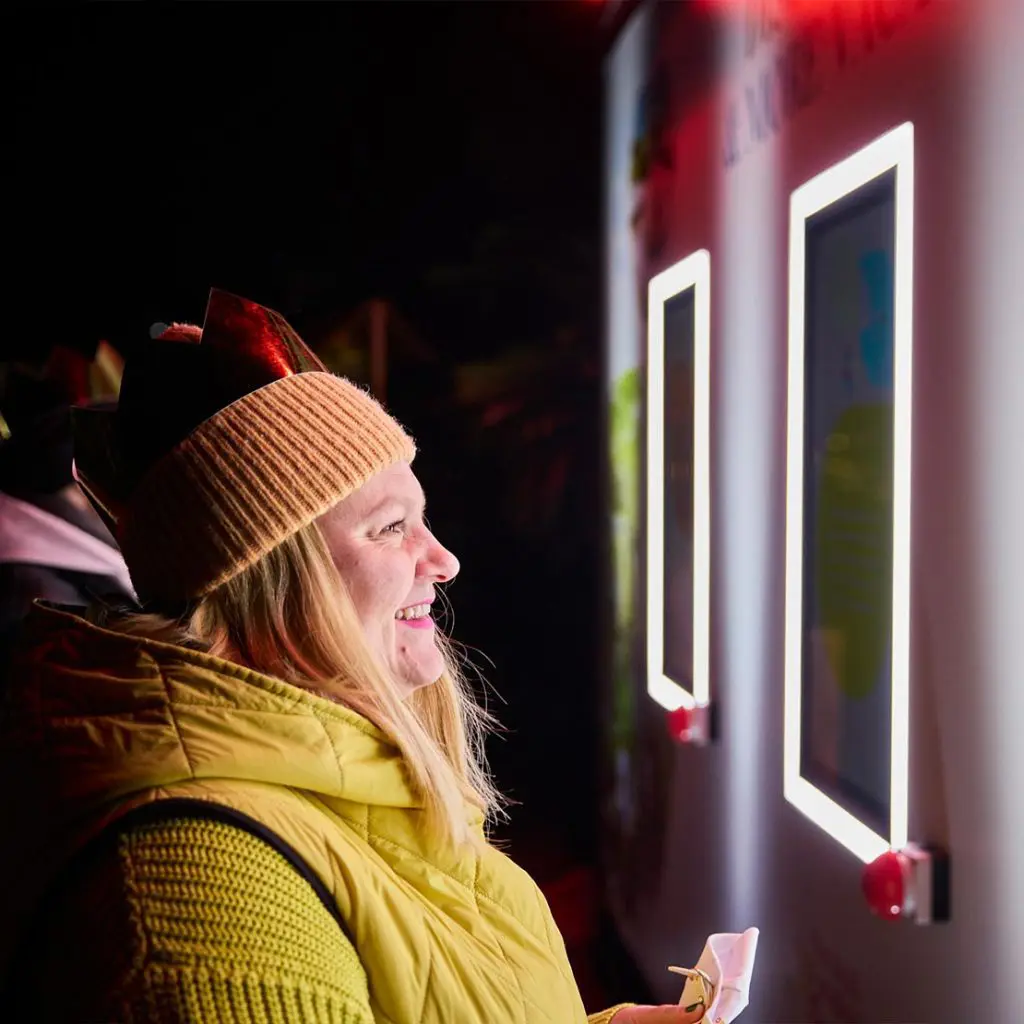
Multi-sensory pop up activation for Nassau & Paradise Island

The rise of connected storytelling

Perhaps the biggest change is that video is no longer a single asset. In fact, we see it as part of a connected narrative system.

A single story might now appear across large-scale installations at events, digital screens within exhibitions, social and digital content, and interactive online experiences.

When done well, these elements don’t feel like separate pieces of content. They feel like different chapters of the same story.

Our recent activation for Nassau & Paradise Island demonstrates how these channels can connect together. An immersive pop-up experience in London was supported by a digital microsite and interactive engagement mechanics accessed via QR codes, allowing visitors to explore offers, competitions and travel inspiration while physically immersed in the activation. The integrated approach drove thousands of interactions and extended the reach of the experience beyond the physical space.

Here, storytelling didn’t end at the event itself, it continued across channels, creating a more connected brand journey.

Let's work together

Let's partner to create brand, product, and experience solutions that move people and markets.

Designing video for immersive environments 

Creating storytelling for immersive environments requires a slightly different approach from traditional film production.

Instead of asking “What video do we need?” the more useful question is: “What role does storytelling play in the experience?”

That shift changes how content is developed.

Narratives must work at multiple scales. They must complement physical design, lighting, olfactory cues and interaction. And they need to be flexible enough to work across a broader ecosystem of platforms.

In practice, this often means developing:

  • narrative systems rather than single films
  • visual worlds that can expand across platforms
  • motion languages that unify multiple pieces of content.

The result is something more cohesive and more powerful: storytelling that doesn’t sit beside the experience but becomes part of it.

Visual storytelling as part of a pop-up activation for Nassau & Paradise Island

The opportunity for brands

As technology makes immersive environments easier to build through projection mapping, LED architecture, real-time graphics and interactive media, the role of visual storytelling will only grow. The data backs this up with many brands are re-allocating spend toward direct, experiential, or live-engagement formats rather than mass media, according to a recent IPA Bellwether report. And we see it too, with more and more of our clients asking for experience-led brand building.

That’s why brands that treat video as experience infrastructure, rather than just marketing content, will have a significant advantage. They will be able to create environments that people don’t just watch, but step into and remember.

And in an increasingly crowded media landscape, that kind of connection is what truly differentiates brands.